
Tracking working hours is essential for smooth operations, yet many HR teams still rely on Excel, manual entries and constant fixes. If time tracking takes more energy than it should, it’s time to make a change.
What is an attendance system?
When someone says “attendance system”, many people picture nothing more than logging arrivals and departures. But today’s reality goes far beyond that.
A modern attendance system is a smart assistant that takes care of tasks that would otherwise fall squarely on your shoulders—shift planning, leave management, home office, overtime, and all those small everyday adjustments that naturally appear in any company.
It connects seamlessly with terminals, chip cards, or a mobile app, so all data flows into the system automatically, accurately, and without manual checking or rewriting.
What an attendance system should be able to do
To be genuinely helpful, your attendance system needs to handle both routine daily tasks and unexpected situations that arise within your teams.
It should alert you to anything unusual in the attendance records or patterns that deserve attention – such as frequent doctor visits or recurring short absences. Thanks to this, HR can spot when someone may be going through a more challenging period and offer the right support.
Automatic tracking of arrivals and departures:
No more manual rewriting, data enters the system on its own.
Support for different work schedules and contracts:
Day shifts, weekend shifts, rotating operations, part-time roles… a smart system can handle any combination.
Integration with payroll systems:
Worked hours are transferred to payroll automatically – without errors or delays.
Attendance approvals:
Managers can quickly approve absences or corrections without paperwork.
Management of leave, home office, and overtime:
A clear overview for HR and employees anytime, anywhere.
Compliance with legislation:
The system keeps up with legal changes, maintains records in line with the Labour Code and GDPR, and ensures inspections are stress-free.
How to choose the right Attendance system
Choosing a new attendance system is a bit like hiring a new colleague… You want someone who fits your team, is reliable, and makes everyday work easier. Ideally someone who helps bring order to attendance, shifts, and absences.
To make the search for “the one” easier, here are five tips worth focusing on:
1. Map out your company’s needs
Every company has its own rhythm. Think about how many employees and locations you have and how complex your operations are.
A small office may appreciate a simple solution, while a manufacturing company typically needs full automation and intelligent shift planning.
2. Look for simplicity
Your attendance system should be so intuitive that HR and employees feel at home in it and actually want to use it.
3. Check the integrations
Your attendance system should work smoothly with payroll or HR software so everything runs like a well-coordinated team.
For example, OKbase connects attendance, payroll, HR, and learning into one functional ecosystem, eliminating manual data entry and automating routine tasks.
4. Evaluate service and support
Even the best system needs occasional care. Find out what customer support looks like, how often the provider updates the system, and whether they track legislative changes.
Do you dare to guess how many customer requests the OKbase client support team handles each year? You’ll find the answer in the full article.
5. Verify security
Data on working hours, absences, and overtime is highly sensitive. Make sure your chosen system complies with GDPR and uses strong security measures to protect employee and company information.
A truly “right” attendance system can simplify your work and bring peace of mind to both you and your HR team... Just like it does at John Crane, where they run OKbase.
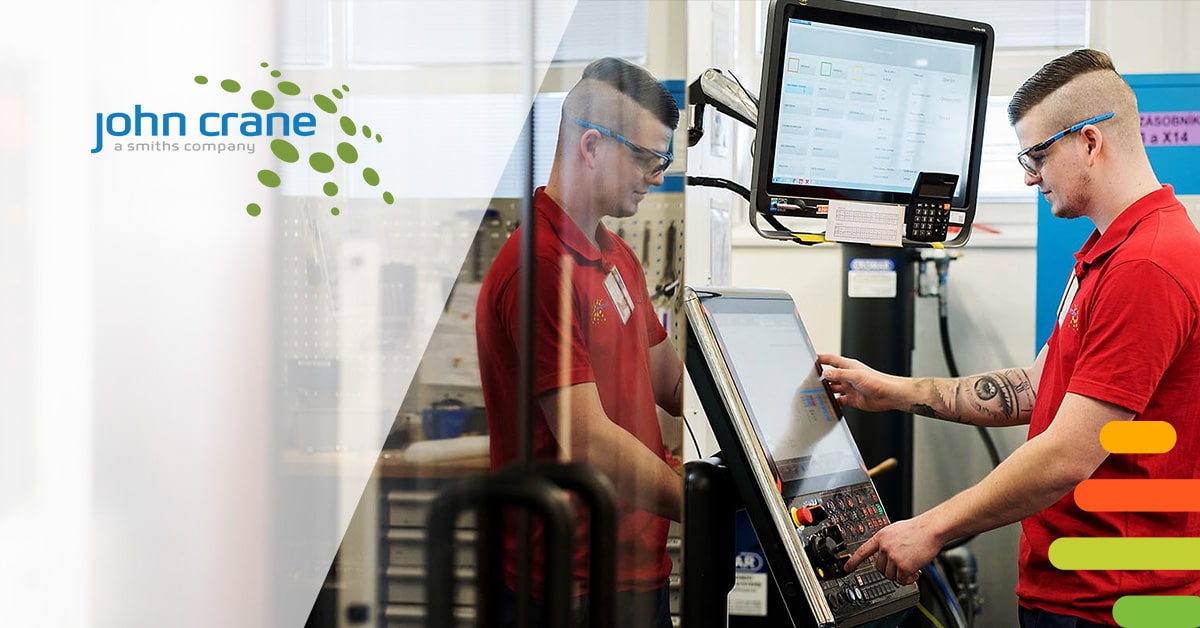
Six Hundred People, Three Shifts, One System
Take a look at how the manufacturing company John Crane approached the selection of their HR solution and how OKbase helps them keep all data perfectly organized during both internal and external audits.